I am delighted to have been commissioned to write a reflective piece about my University College Dublin College of Science x Mayo Dark Sky Park Residency.
Download the PDF here.
For events, click here.
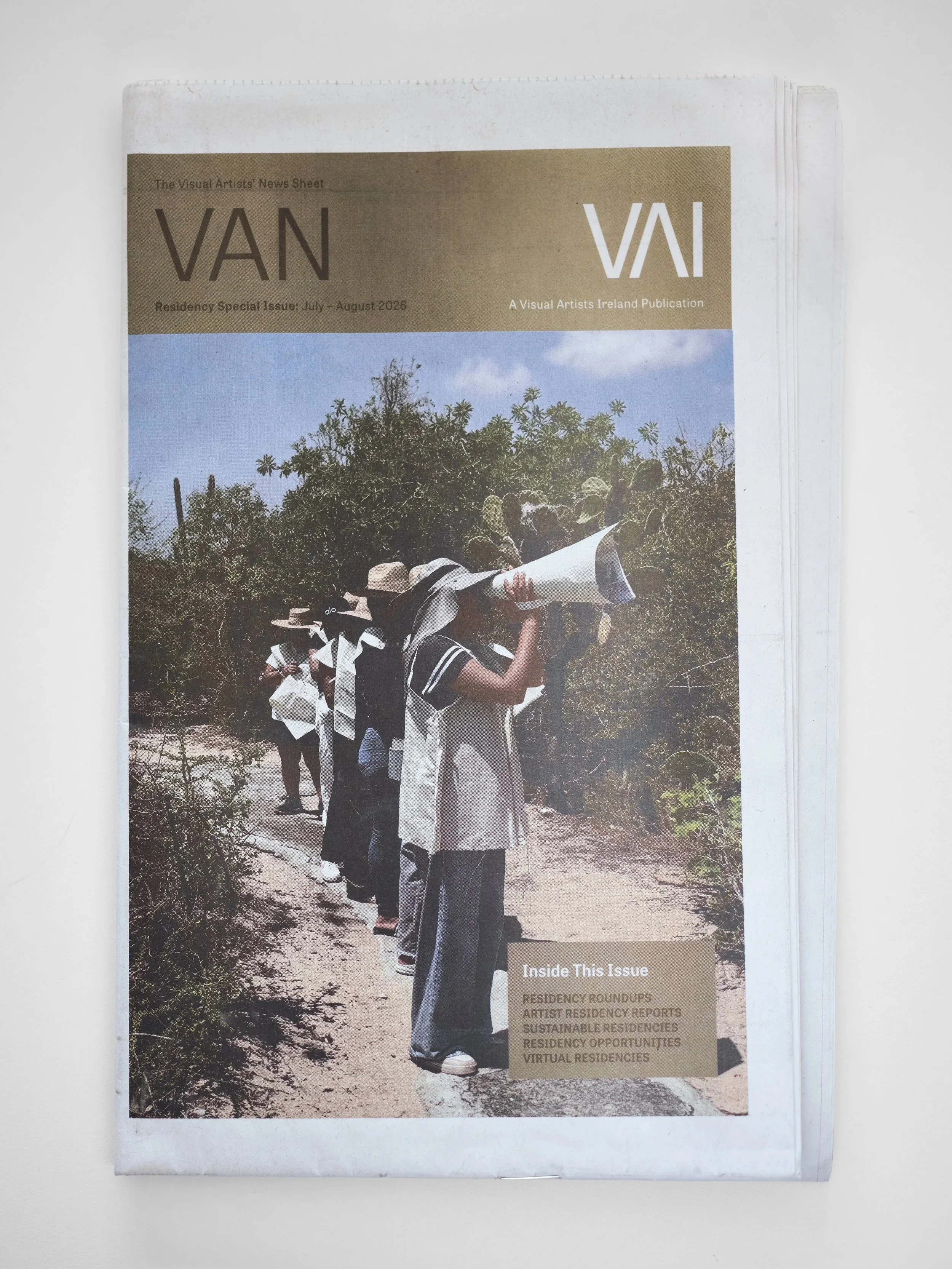
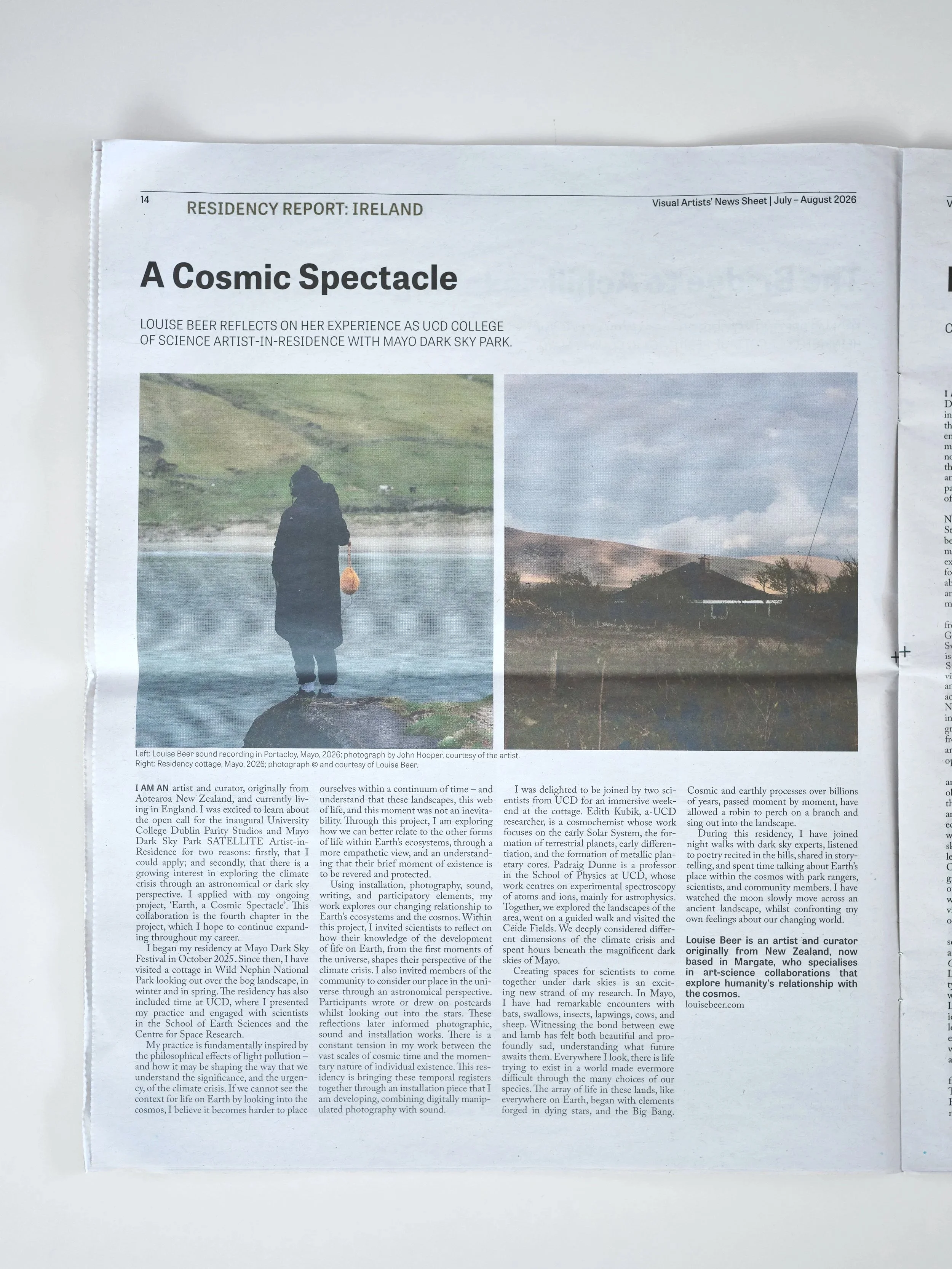
I am delighted to have been commissioned to write a reflective piece about my University College Dublin College of Science x Mayo Dark Sky Park Residency.
Download the PDF here.
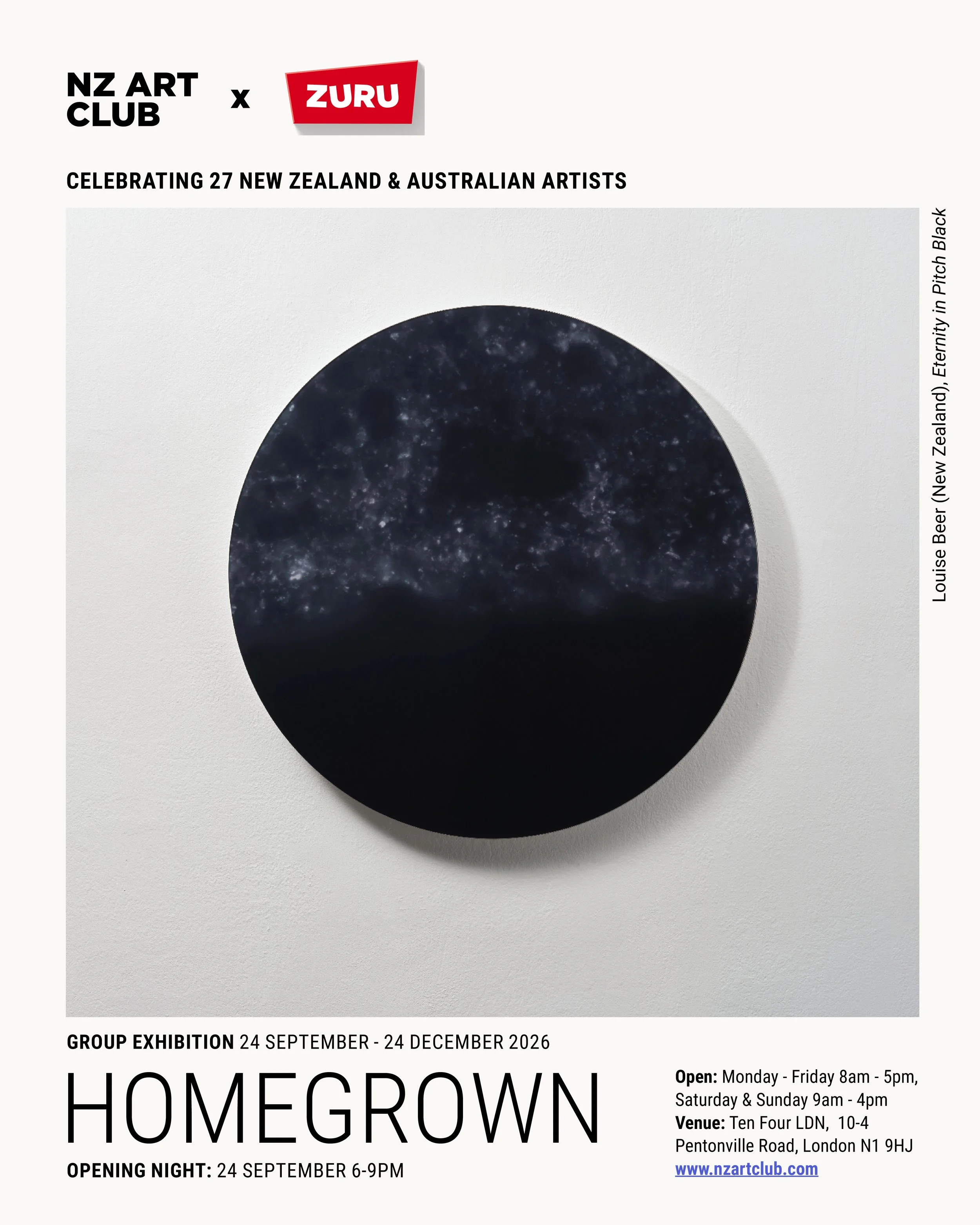
I am delighted to be showing work amongst other artists from Aotearoa New Zealand and Australia. This show is curated by Luana Asiata Mandii Pope.
'Homegrown 'is the first exhibition to unite New Zealand artists living across the Northern Hemisphere, bringing together one of the largest groups of New Zealand artists ever exhibited in London, alongside guest artists from Australia's creative community.
NZ Art Club celebrates the diverse practices of kiwi artists while honouring a shared connection to Aotearoa New Zealand.
Launch night: Thursday 24 September 2026, 6 - 9pm
Exhibition dates: 24 September 2026 - 24 December 2026
Artists
Alistair Oldham
Anna Cowie
Bridget Credland Dey
Bronwyn Sibley
Charlie Round Turner
Chrissie Nimenko
David Whyte
Dawn Conn
Donna Riddington
Frederick Worrell
Gwenyth Fugard Heloise Bergman
Jane Dickens
Jennifer Jokhoo
Joanne Cope
Kate Birss
Kate Charles
Kirk Hendry
Louise Beer
Luana Asiata Mandii Pope
Robyn Litchfield
Sarah Jane Moon
Sharon King Chai
Stacey Gledhill
Susan Wilson
Tracey Paterson
I am delighted to be displaying my work at the National Astronomy Meeting 2026 as part of the "Bridging Perspectives: Art and Science in Collaboration" session. The conference is from 20 July - 24 July.
”Art and science intersect to expand knowledge by creating spaces where diverse expertise can collaborate. In astronomy, the scale and complexity of data and methods can limit creative engagement beyond standard analytical approaches. Art can function as a boundary object: a flexible medium that enables collaboration across disciplines without requiring full agreement (Star, 2010). A single artwork, for example, may be approached by scientists for ideation, outreach or communication, and by artists as an outcome of creative research addressing societal needs. This flexibility allows shared meaning while respecting distinct perspectives. We will discuss three aspects of ArtScience practice:
ArtScience collaborations: Examples of successful projects demonstrate how collaboration can generate new research questions and connect research to societal challenges.
Data visualisation and interdisciplinary tools: Visualisation, extended reality, and sonification are increasingly popular entry points into creative engagement and science communication, allowing teams to negotiate understanding.
Inclusivity and STEAM education: Artistic approaches foreground accessibility, inclusivity, and diverse learning styles. How can they be integrated into scientific practice, education and outreach?
The session builds on our successful NAM 2025 sessions, which brought together artists, scientists, educators, and interdisciplinary practitioners for a fully attended, highly engaging day.”
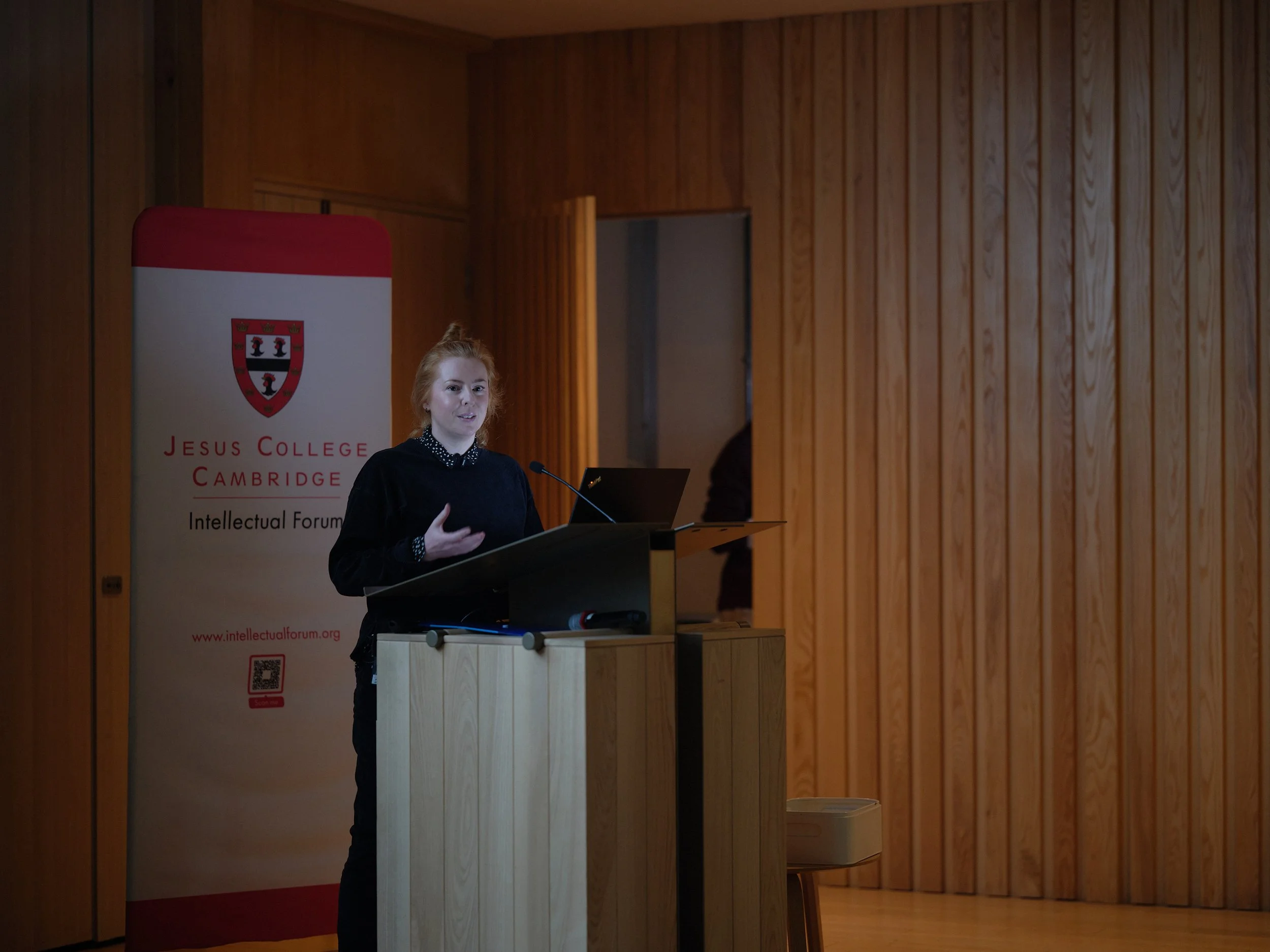
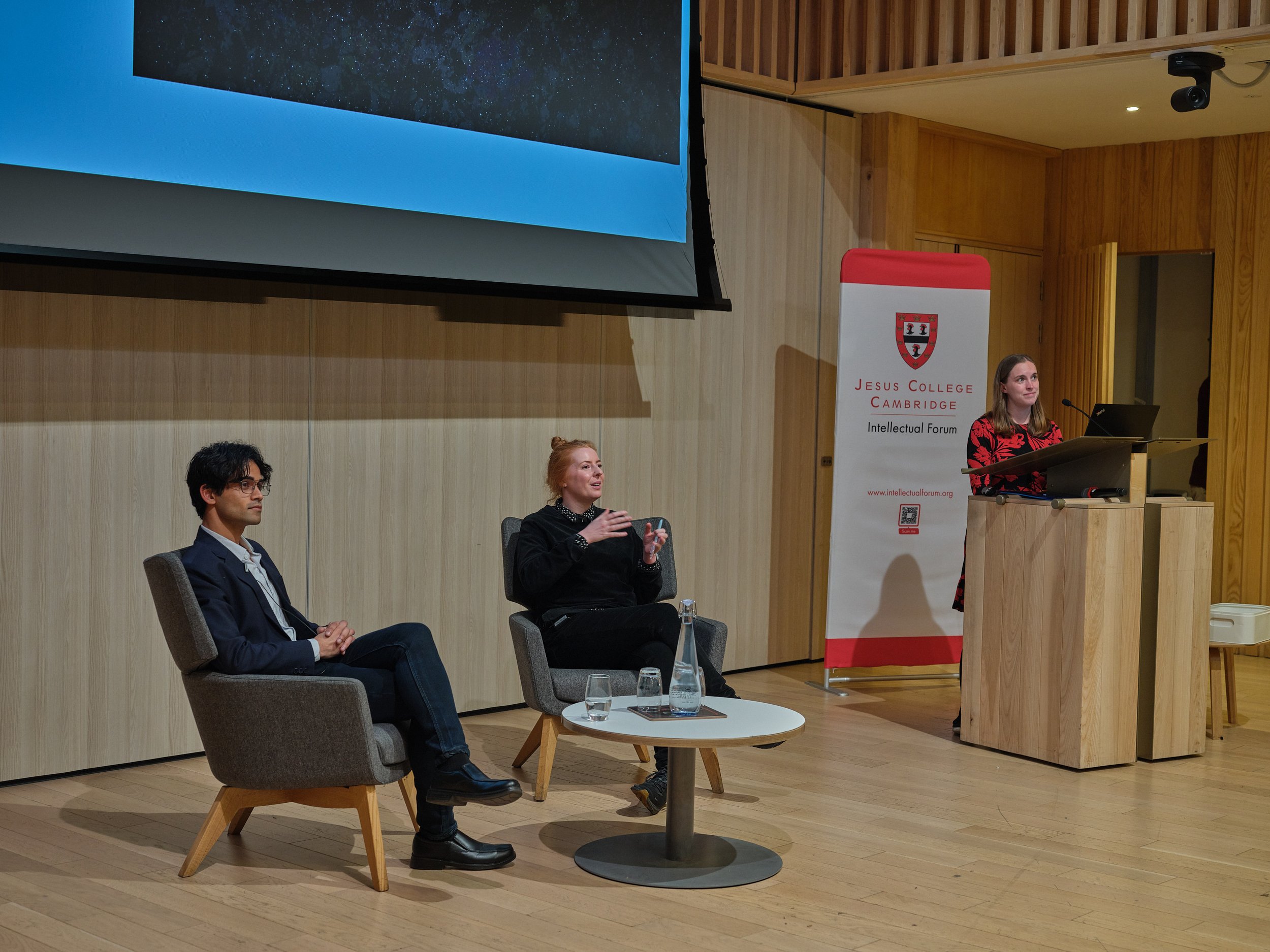
I had the absolute best time giving a talk at the Cambridge University Intellectual Forum at Jesus College titled 'Earth, a Cosmic Spectacle'.
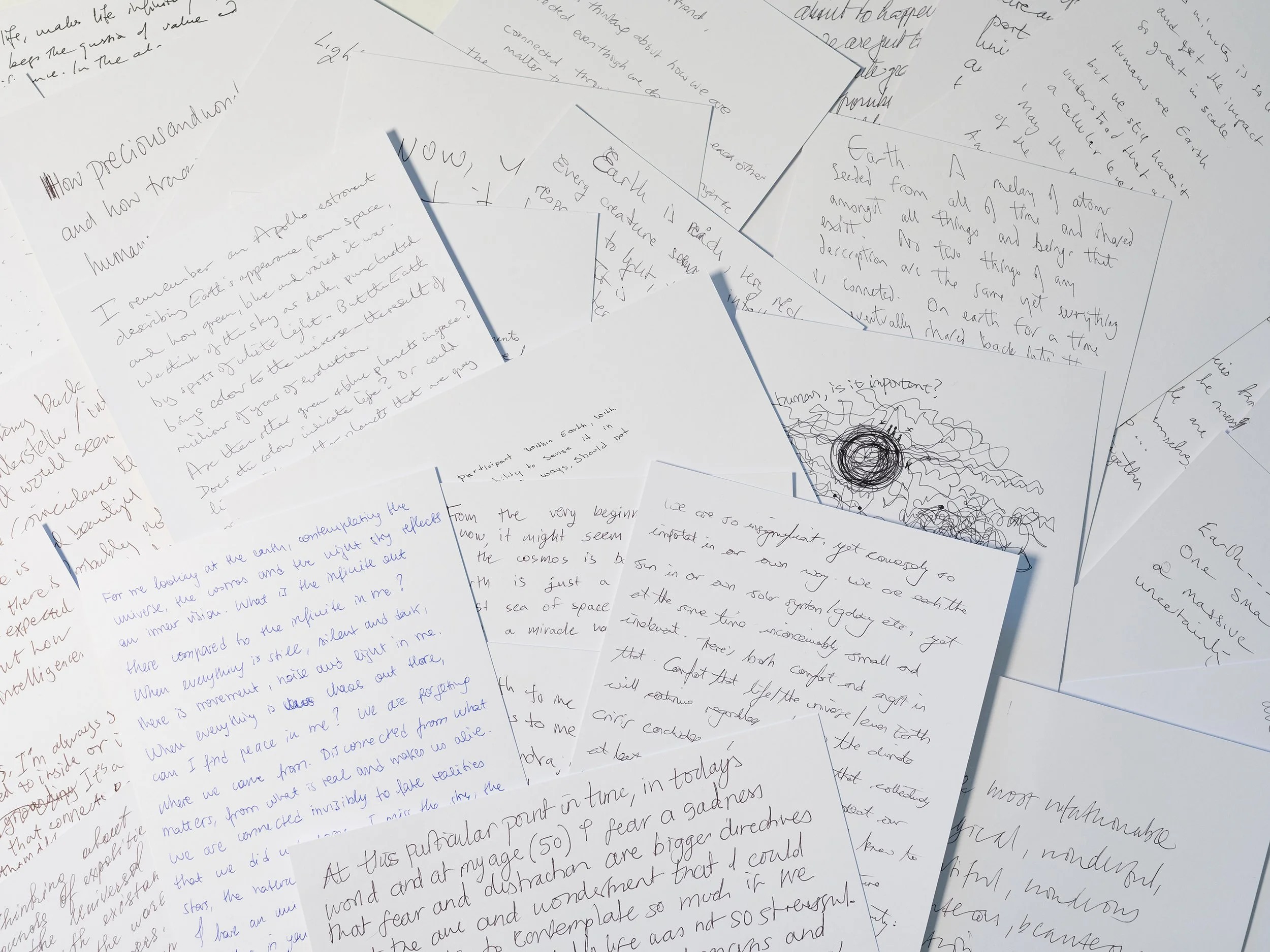
I gave a talk about how I arrived at my project 'Earth, a Cosmic Spectacle' over years of research, conversations and experiences. Later in the event, I was joined by cosmologist Dr Anik Halder, who shared his knowledge of the history of the universe, leading to the life on Earth that we are part of today. Whilst listening to a sound piece from my show at @everybodyarts_ the audience shared their reflections about the fragility, improbability and magnificence of this planet, which will be added to my ongoing archive.
I was and still am totally blown away by the engagement and enthusiasm from the audience online and in person, and look forward to sharing this story and this work in different ways in the future.
Watch the talk on Youtube.
Photos by John Hooper.
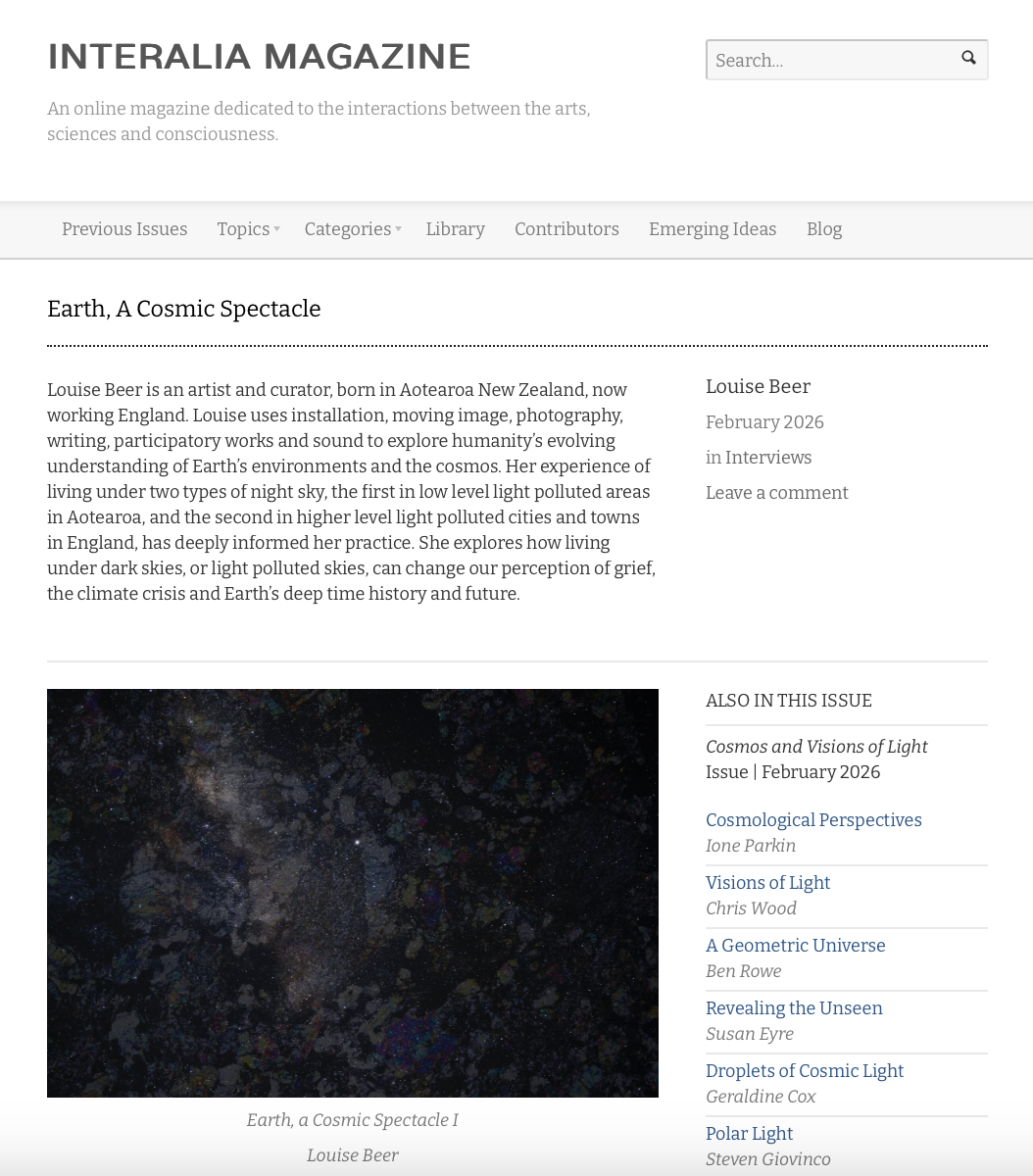
I am delighted to have been invited to contribute an interview by Richard Bright to this edition of Interalia Magazine. Read it here.
“Interalia Magazine is dedicated to promoting inquiry into, and open-minded discussion about, the interactions between the arts, sciences and consciousness, regarding each as an open and systematic inquiry into the deep structure of human experience
Its aims are based on the belief that far from being mutually exclusive activities, art, science and consciousness represent different yet complimentary ways of looking at and understanding the world.
Ideas make a difference. We believe in the power of ideas to change attitudes, lives and the world. People who put ideas into action can inspire the rest of us to go and do the same. We will look for contributions from people whose creative and imaginative thinking and work has expanded our notion of who and what we are.
The editorial impulse of Interalia Magazine lies in its depth of open inquiry, commitment to interdisciplinary thought, and an emphasis on exploring connections between the arts, sciences and consciousness. An important aspect of the magazine will be to foster news ideas and promote further discussion.”
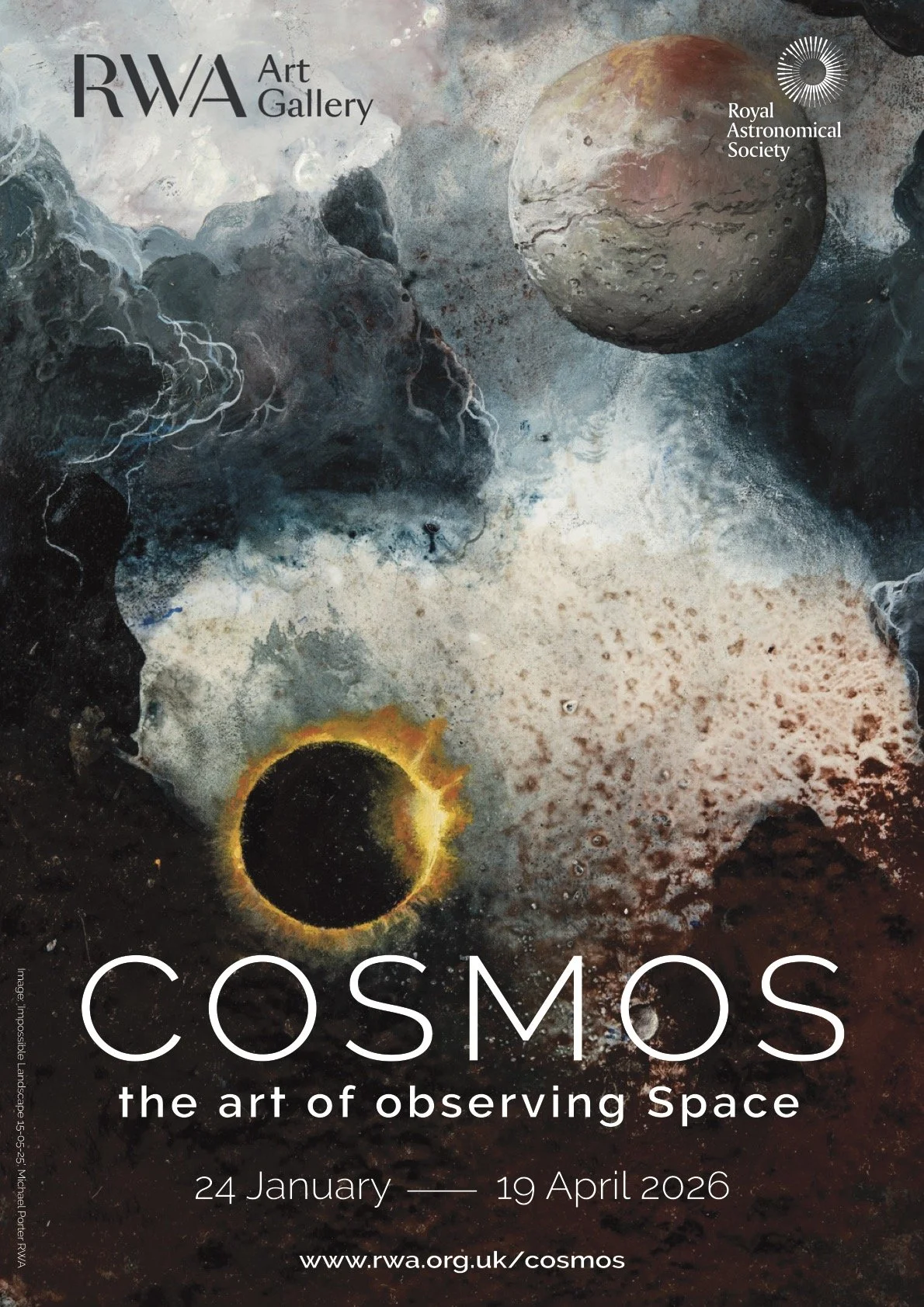
I am delighted to have two pieces of my work in this show, as well as a collaborative piece with John Hooper under our name, Pale Blue Dot Collective.
Cosmos: The art of observing Space | 24 Jan – 19 April 2026
Curated by Ione Parkin RWA, Cosmos: the art of observing Space explores humanity’s enduring fascination with the cosmos through an extraordinary blend of historic artefacts and contemporary artworks.
Delivered in partnership with the Royal Astronomical Society, this exhibition offers a unique journey through time, imagination, and inquiry - inviting you to experience the awe, wonder, and curiosity that the cosmos continues to inspire.
Featured artists include:
Louise Beer
Kate Bernstein
Annie Cattrell
Ian Chamberlain
Richard Cox
Geraldine Cox
Susan Derges
Otto Dettmer
Sarah Duncan
Susan Eyre
Anna Gillespie
Tom Hammick
Alex Hartley
Simon Hitchens
Janette Kerr
Melanie King
Tania Kovats
Ulrike Kuchner
Lynda Laird
Sir Christopher Le Brun
Johanna Love
Gillian Adair McFarland
Rachael Nee
Pale Blue Dot Collective (Louise Beer + John Hooper)
Cornelia Parker
Ione Parkin
Michael Porter
Ben Rowe
Robin Sewell
Jane Sheppard
Yinka Shonibare
Karl Singporewala
Wolfgang Tillmans
Tickets from £11
Exhibition catalogue with foreword by astrophysicist, author and broadcaster, Chris Lintott | rwa.org.uk/shopcosmos
Events
Saturday Exhibition Talks | 7 February, 7 March, 4 April 2026 | Included in exhibition ticket
Cosmos Symposium | 28 February 2026, 10am-4pm | Held at the Royal Astronomical Society in London and online
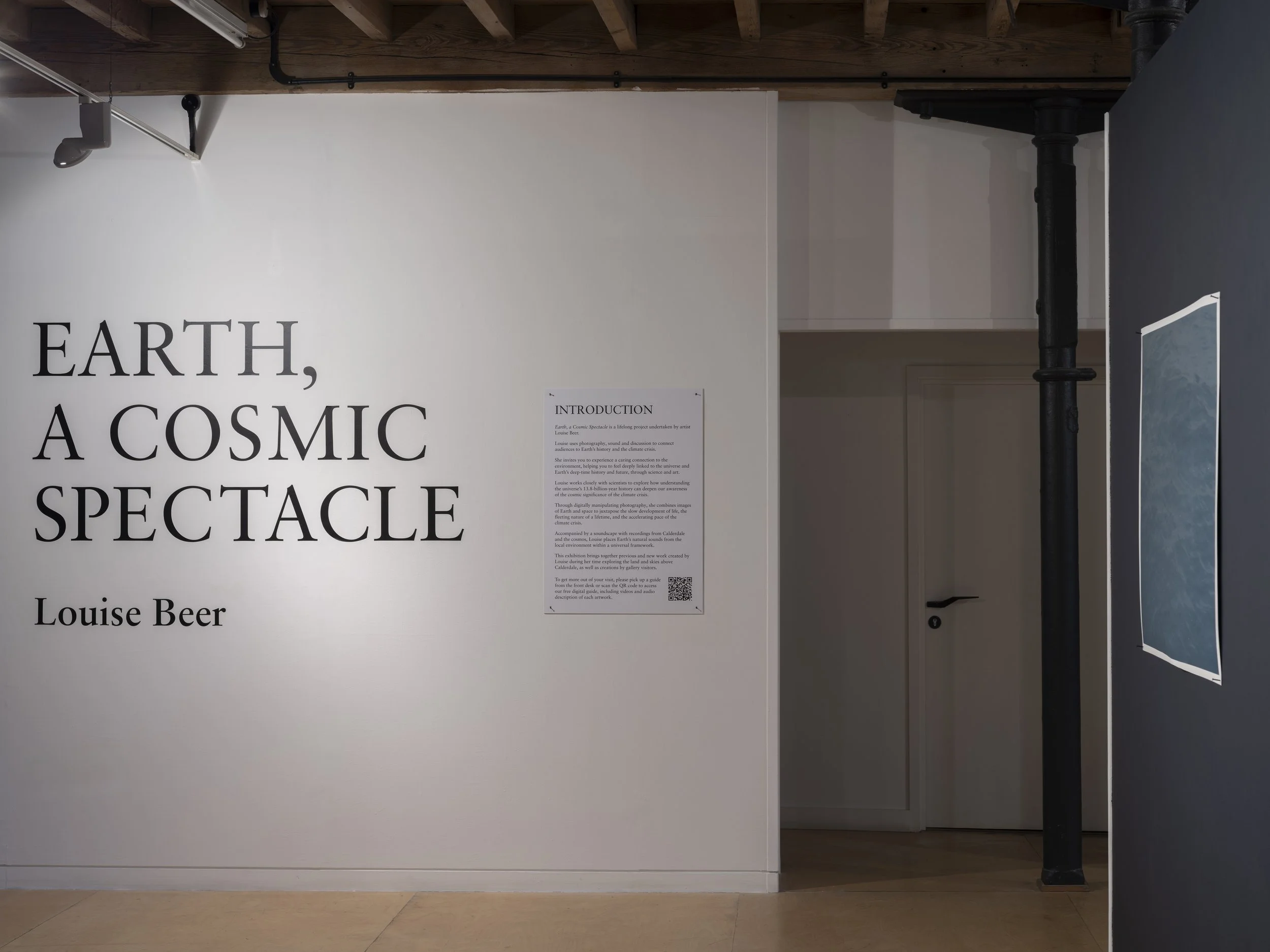
Opening Saturday 06 December from 3 - 6PM.
“The project Earth, a Cosmic Spectacle explores deep time, contrasting Earth’s slow evolution with the rapid changes of the Anthropocene. Gathering reflections from astronomers, biologists, geologists, and high school students, artist Louise Beer uses photography, sound and discussion to connect audiences emotionally to Earth’s history and climate crisis.
Louise works closely with scientists to explore how understanding the universe’s 13.8-billion-year history can deepen our awareness of the cosmic significance of the climate crisis. Through digitally manipulating photography, she combines images of Earth and space to juxtapose the long, slow development of life, the fleeting nature of a lifetime, and the accelerating pace of the climate crisis. Accompanied by a soundscape of birdsong and cosmic recordings, Louise places Earth’s natural sounds from the local environment within a universal framework.
At the heart of Louise’s work is engaging with the public to make complex scientific and environmental ideas accessible, and to show their relevance to our lives. She works to invite the viewers of her work to experience a care connection to the environment, helping audiences feel deeply linked to the universe, and Earth’s deep-time history and future, through science and art.”
Read more here.
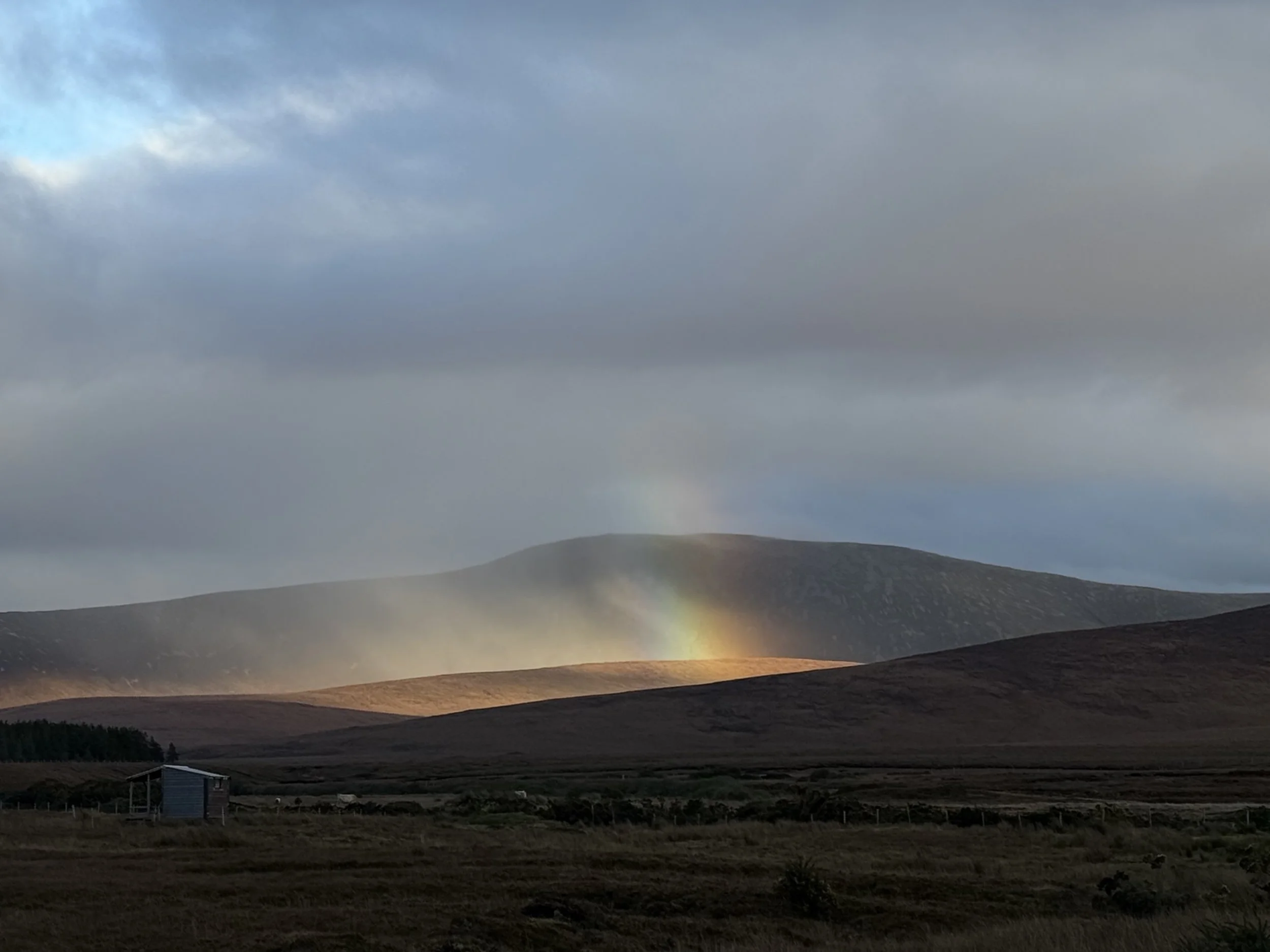
I am delighted to share that I have been appointed SATELLITE Artist in Residence for Mayo Dark Sky Park x University College Dublin Parity Studios in Ireland for 2025 - 2026.
This year long residency will allow me to work with the UCD academics from the Earth Institute and the Centre for Space as well as ecologists and dark sky rangers at Mayo Dark Sky Park and Wild Nephin National Park.
My residency was announced at Mayo Dark Sky Festival 2025 - where I spent three days meeting scientists, artists and park rangers all inspired by dark skies. I then spent a further two weeks in the Lagduff Cottage, where I will be visiting periodically through the residency. This view is from the cottage - and the night skies were the darkest I have seen in Europe.
“During her residency, Louise will immerse herself in the dark skies, boglands, and mountains of Mayo Dark Sky Park at Wild Nephin National Park — one of the last places in Europe where it is still possible to experience the night as it truly is: vast, ancient, and alive. Through night-time fieldwork, sound recording, and photography, she will create new work that interlaces astronomical, geological, and ecological timescales, tracing the delicate connections that link Earth’s deep-time past with its uncertain future.
Louise’s residency will also include a participatory project inviting local communities, UCD researchers, scientists, the dark sky team and park rangers to reflect on the night sky through writing, conversation, and shared observation — deepening the connection between people, place, research and the rhythms of the natural world. Louise added her thoughts on the appointment:
"Mayo offers a uniquely dark, minimally light-polluted environment where we can still see Earth as a planetary landscape - without the common traces of modern humanity. Its geology, flora, fauna and expansive night sky provide an exceptional setting to study long-term geological, ecological and astronomical processes. The residency will allow me to reflect on the improbable sequence of events that made life possible, from the first moments of the universe, and how we can reframe how we understand the significance of the climate crisis."
Denis Strong, Divisional Manager of the National Parks and Wildlife Service, said “We are delighted to welcome Louise to Mayo Dark Sky Park at Wild Nephin National Park. Her residency will help us see this landscape — and its nightscape — through fresh eyes. We hope this collaboration will deepen the connection between our surrounding communities and the value of our dark skies as a source of conservation and culture.”
Emer OBoyle, Creative Director of UCD Parity Studios adds, “We are delighted to welcome Louise Beer as the inaugural SATELLITE artist in residence. We are equally excited to embark on this new partnership with the National Parks and Wildlife Service and Mayo Dark Sky Park. It opens up a new and extraordinary opportunity for artists working at the intersection of research, art and ecology.”
The SATELLITE Residency programme offers artists a rare opportunity to work alongside scientists, rangers, and researchers in one of the darkest and most pristine night-sky environments in the world. As Mayo Dark Sky Park approaches its 10-year anniversary as an International Dark Sky Park in 2026, Louise’s residency marks a milestone in how creativity and science come together to honour and protect the night.
If you would like to talk to Louise about your research you can contact her at louise.beer@ucd.ie.
Further Information
UCD Parity Studios SATELLITE residencies support site specific research and collaborations for artists, organisations and researchers working in climate, environment and sustainability. Louise’s residency is proudly supported by, UCD College of Science, National Parks and Wildlife Service, UCD Centre for Space Research and UCD Earth Institute.
For more information about Louise’s work, visit the UCD Artists in Residence Website.”

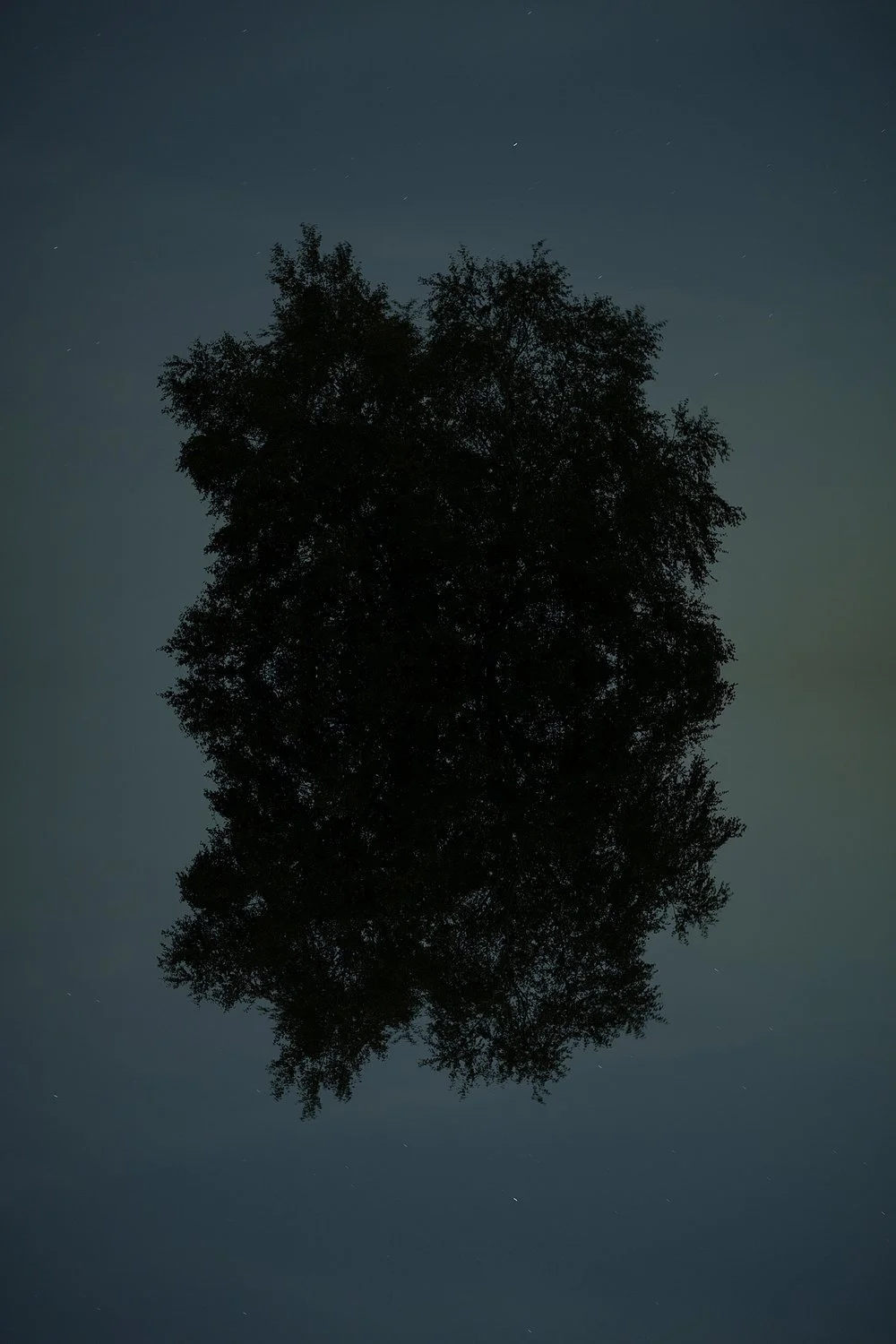
I am delighted to share that I was selected for the 25 x 25 Art Gene's 25th Anniversary Residency. This is a unique opportunity to engage with Art Gene's extraordinary portfolio of past projects, their ethos of working for positive change, and their longstanding focus on 'the local', the environment, biodiversity and impacts of the climate crisis.
“A 25-Day Residency in Barrow-in-Furness - an environmental and climate focus.
In 2027, Art Gene celebrates 25 years of artist-led, environmentally aware placemaking, research, artist residences, exhibitions, and socially engaged art projects - all involving artists and communities in the revisioning of their social, natural and build environments.
Founded in 2002 by artists Stuart Bastik (1965-2024) and Maddi Nicholson, over the past two and a half decades, Art Gene has built a distinctive legacy by hosting local and international residencies, curating exhibitions, and nurturing collaborations. Working with artists, architects, communities and specialists we have explored the evolving relationships between art, industry, and nature, often focusing on local issues and biodiversity in Barrow-in-Furness.
Art Gene is deeply committed to understanding and creatively engaging with place. Our approach considers the social, natural, and built environment as an interconnected whole, enhanced through thoughtful, site-specific artistic practices rather than isolated, standalone works or structures.
To mark their milestone, Art Gene invited applications from artists for a 25-day residency in Barrow-in-Furness.”
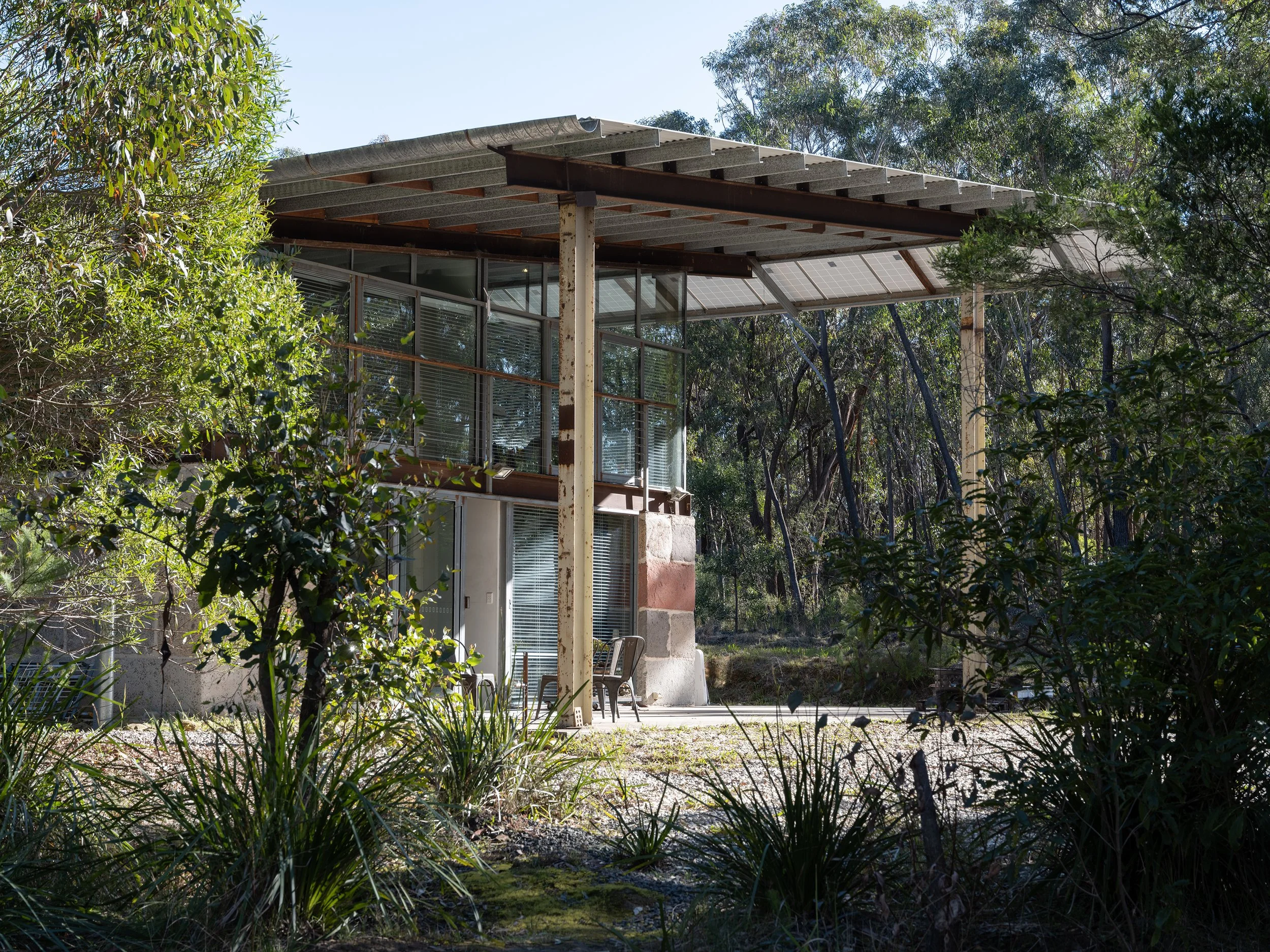
John Hooper and I are delighted to have been invited to judge this year’s BigCi Environmental Art Award. We won this award in 2020 - and did our month long residency in 2022, due to the border restrictions in Australia at the time.
This residency was deeply important to both of us, and has shaped our collaborative and individual practices in a profound way. Rae and Yuri were wonderful curators and guides, and we had such a fantastic time exploring the area with them, and with the other two artists, Ingrid Hess and Trish Watts. It was a magical time that we still think and talk about often, and the film we made there ‘Last verse’ continues to be shown in galleries in Australia and around the world.
“Australian and International artists from various fields – visual art, installation, multimedia, performance, literature, music, photography, film making, curating – are invited to submit entries for the BigCi Environmental Awards 2025.
Two Winners of the Awards will each receive (4) free weeks at the BigCi residency and $5,000 prize money.
The winning artists will have an opportunity to explore the UNESCO World Heritage-listed Wollemi, Blue Mountains and Gardens of Stone National Parks on guided walks and will be given research assistance relevant to their projects. At the end of their residencies, they will present their work at a BigCi Open Day event.”
The deadline for submissions is 24 August 2025.
Winners will be announced on 12 September 2025.
More info here:
https://bigci.org/awards/
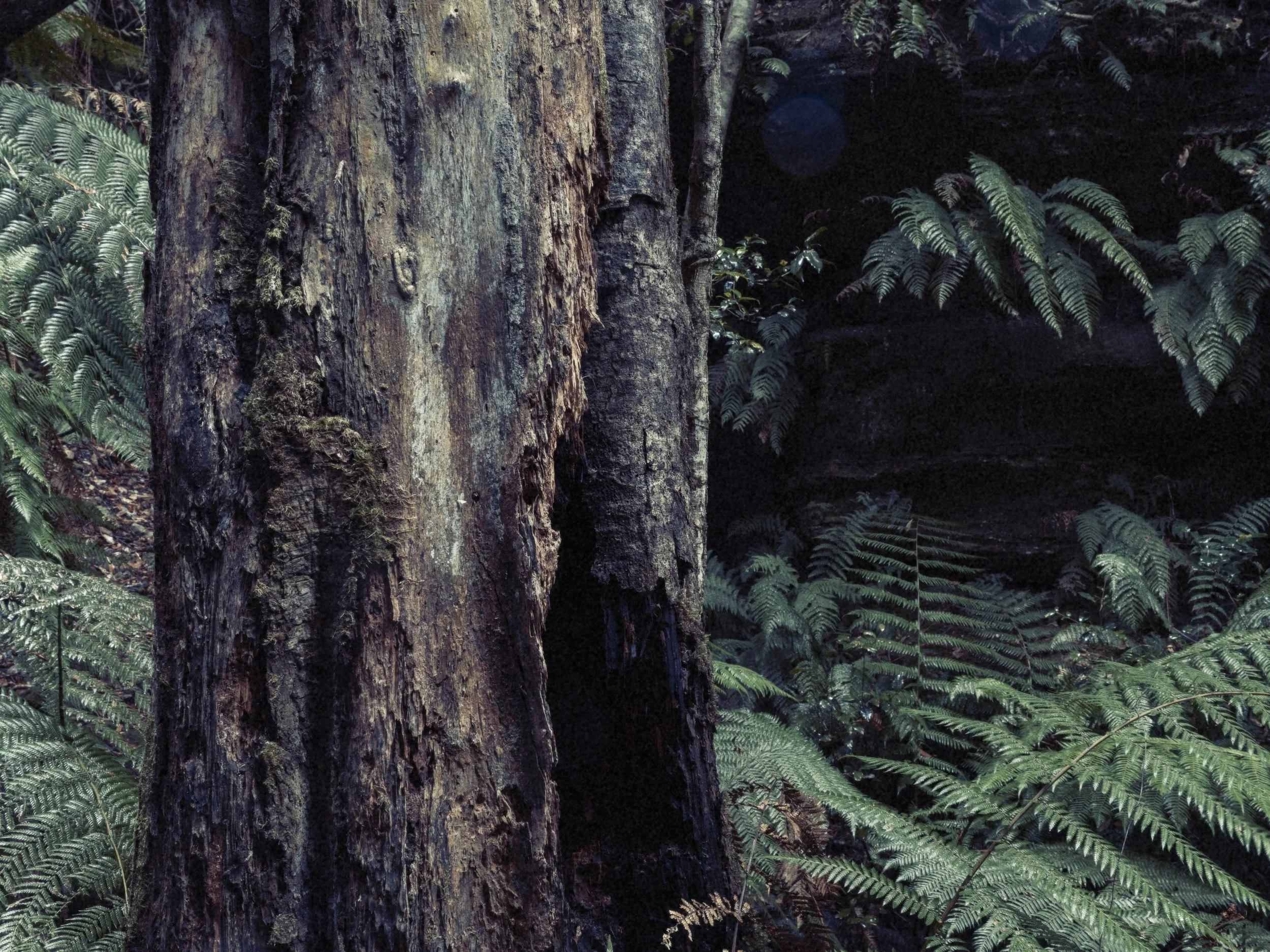
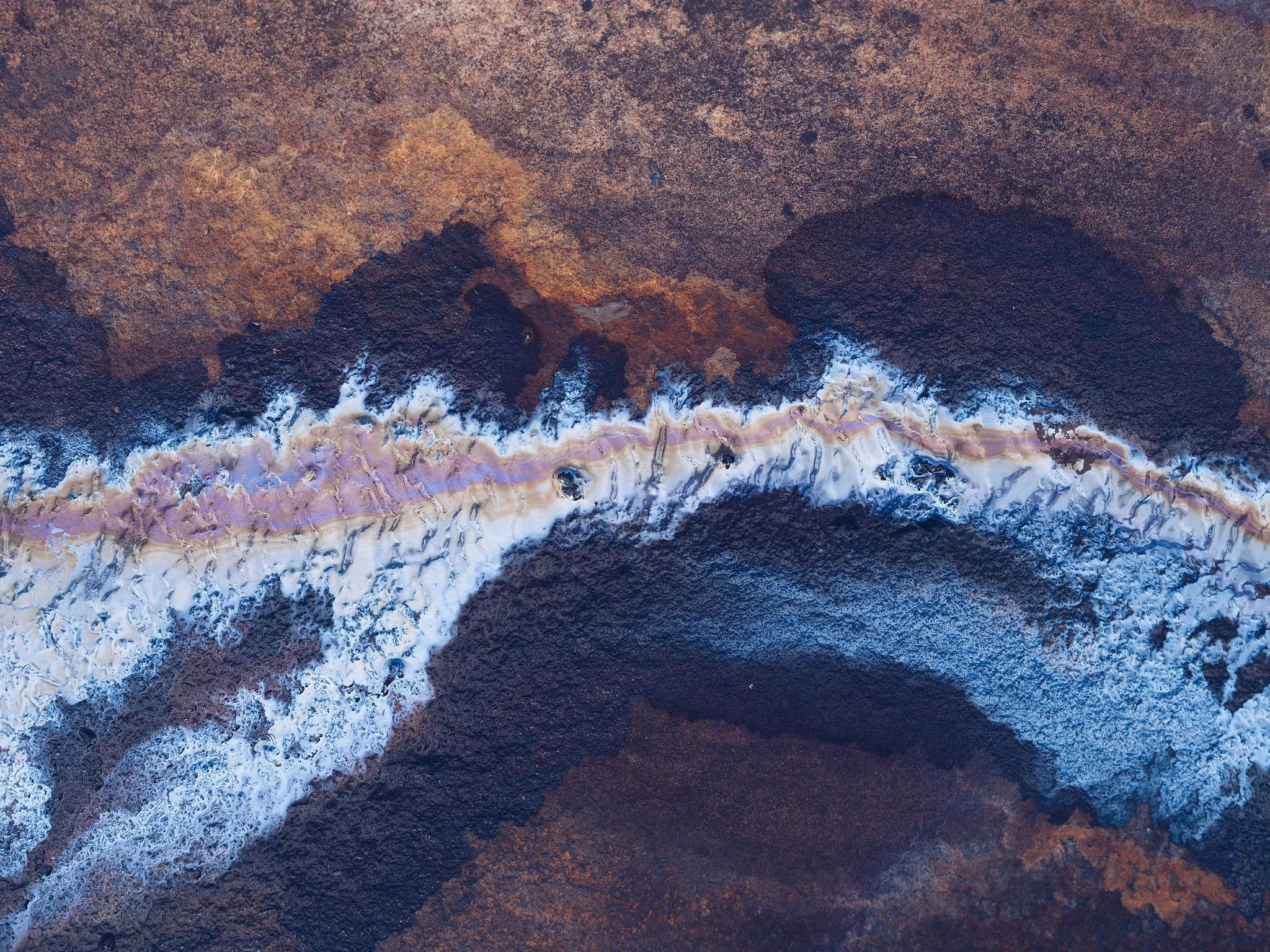


I am excited to be presenting my practice at the National Astronomy Meeting 2025 at Durham University this Friday.
My session:
Crossing Boundaries: The benefits of ArtScience for contemporary astronomy research
With thanks to the organisers:
Ulrike Kuchner, Soheb Mandhai; co organisers: Jenni French, John Paice, Jake Noel-Storr, Houda Haidar.
Art and science both expand human knowledge by blending imaginative thinking with analytical decision-making to create original ideas. Despite their historical synergy, fully harnessing their potential in today’s astronomy research is challenging. Ever-growing data, large-scale collaborations, and the rise of artificial intelligence often limit opportunities for creative engagement with complex ideas and data. Artistic methods like virtual reality, music, digital and performance art, offer inclusive ways for exploration, understanding and communication.
While art is widely used for information visualization in outreach and science communication, this session focuses on three less-explored aspects of ArtScience:
o Creativity: ArtScience to contribute to knowledge creation will provide an overview of research and practice into ArtScience for interdisciplinary goals (eg. Kuchner+2023; Birsel+2023).
o Inclusivity: ArtScience to improve research culture and accessibility will highlight artistic methods and tools promoting equality, inclusivity, and diversity (eg. Sensory science clubs for neurodiverse audiences).
o STEAM: ArtScience to support teaching and learning will share STEAM (STEM+Art) practice for education (eg. Aguilera+2024).
We will address key challenges, such as navigating differing disciplinary practices, finding funding, and contextualizing collaborative outcomes. Practical advice will include available UK funding schemes, joining communities, setting shared goals, and evaluating results.
The Royal Astronomical Society is proud to present the next National Astronomy Meeting, NAM2025, at Durham University from Monday 7th July to Friday 11th July, 2025. It is organised in conjunction with Durham University's Centre for Extragalactic Astronomy, the Centre for Advanced Instrumentation, the Institute for Computational Cosmology, the Institute for Particle Physics Phenomenology, and the Department of Mathematical Sciences.
NAM2025 covers the full range of astronomy research in the UK, including the instrumentation and astro-particle communities, as well as other key issues relevant to the UK astronomy community.

I am delighted to have a collection of six works in this upcoming exhibition at Paul Smith Gallery in London.
SELF-SIMILAR
Curated by Mat Chivers
PAUL SMITH SPACE, 9 Albemarle Street, London W1S 4BL
Private view: Thursday, 19th June 2025, 6-8pm
Exhibition runs: Friday 20th June 2025 - Sunday 8th September 2025
Reality is more than matter shaped by physics and chance; it is patterned, alive with echoes across scales — from quantum flickers to cosmic rhythms. ‘Self-similar’, curated by Mat Chivers at Paul Smith Space, gathers twenty-three artists whose works trace the delicate weave between nature and consciousness, blending science and intuition. At a moment when the future hangs in the balance, and humanity must relearn harmony with the Earth, these artists invite us to see anew — to imagine a world where human and more-than-human minds entwine, and all things are bound by a quiet, resonant thread.
Artists
A.A. Murakami
Aigana Gali
Ambrosine Allen
Emilie Pugh
Es Devlin
Gabriele Beveridge
Jonathan Michael Ray
Louise Beer
Marina Abramovic
Mark Wallinger
Mat Chivers
Nadine Talalla
Noémie Goudal
Peter Liversidge
Rachel Howard
Sam Lock
Sarah Staton
Shezad Dawood
Simon Averill
Susan Derges
Suzanne Treister
Tom Jean Webb
Will Cruickshank

I am delighted to share images from the Beyond Measure - Expanding the Sky exhibition that was at Canberra Museum and Gallery in Canberra, Australia. The show was open from 30 March - 21 April and was curated by Dr Anna Madeleine Raupach.
Beyond Measure features:
Grayson Cooke
Louise Beer
Pale Blue Dot Collective
Yvette Hamilton
Tom Buckland
U.K. Frederick
'Beyond Measure invites us to broaden our understanding and perceptions of what we considered as ‘outer space’. While reaching to time and space beyond the human realm, astronomy is entwined with processes, methodologies, and technologies of and from the Earth.
This exhibition presents multimedia artworks that creatively engages with satellite data, photographic history, lunar exploration, atmospheric systems, time and light - and repositions Earthly phenomena of geology, biota, observation, mapping, and technology as inexplicable from what we consider beyond this world.
Tracing yet diverging from the practices that define astronomy, the artists in Beyond Measure offer alternative perspectives on our relationship with space that in turn shapes how we inhabit the world here and now.'
Images by Brenton McGeachie.

I am very excited to be presenting my work at INSAP 2025 at Queen's University Belfast in June. I am looking forward to meeting friends old and new there!
The 13th International Conference on the Inspiration of Astronomical Phenomena (INSAP) offers a dynamic forum for scholars, artists and enthusiasts from a variety of disciplines to explore the profound impact of astronomical phenomena on human thought, culture and artistic expression throughout history. From ancient mythology to modern art, and from literary works to cutting-edge scientific research, the conference fosters interdisciplinary dialogue that bridges the gap between science and the humanities. This year’s theme, Celestial Connections Across Time and Space, explores the diverse ways in which celestial events have driven scientific innovation, sparked ethical, religious and philosophical questions and inspired artistic and literary creativity throughout history.
Session 2: Illuminating the Unknown: Art, Grief and the Cosmos in a Changing World
Dark Skies and Cosmic Reflection: Grief, Time, and the Climate Crisis
Louise Jane Beer (Freelance Artist)
You, Darkness: A Collaborative Project in Eco-poetry, Art, and Astronomy at Berea College
Ansel Elkins (Berea College)
Sequential Lunar Observations
Betsey Price (Glendon College, York University, Canada)
Find out more here.

It is very exciting to share that John and I have been included in this wonderful exhibition curated by Dr Anna Madeleine Raupach.
'Beyond Measure: Expanding the Sky' at Canberra Museum and Gallery in Canberra, Australia.
Beyond Measure features:
Grayson Cooke
Louise Beer
Pale Blue Dot Collective
Yvette Hamilton
Tom Buckland
U.K. Frederick
'Beyond Measure invites us to broaden our understanding and perceptions of what we considered as ‘outer space’. While reaching to time and space beyond the human realm, astronomy is entwined with processes, methodologies, and technologies of and from the Earth.
This exhibition presents multimedia artworks that creatively engages with satellite data, photographic history, lunar exploration, atmospheric systems, time and light - and repositions Earthly phenomena of geology, biota, observation, mapping, and technology as inexplicable from what we consider beyond this world.
Tracing yet diverging from the practices that define astronomy, the artists in Beyond Measure offer alternative perspectives on our relationship with space that in turn shapes how we inhabit the world here and now.'
Invitation image by U.K. Frederick.
Find out more here.
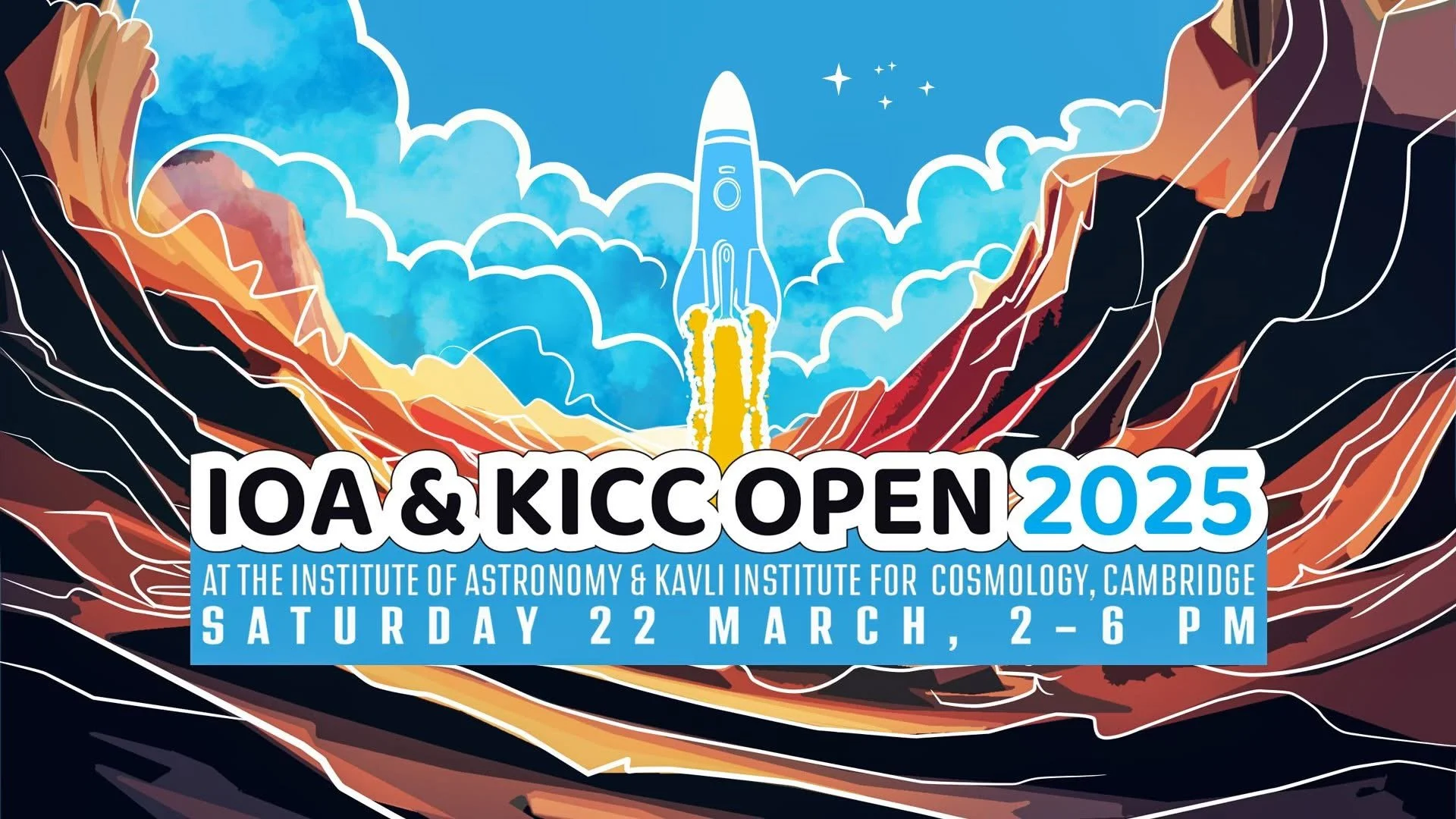
I am displaying a collection of selected works at the Observatory Library at the Institute of Astronomy, University of Cambridge on Saturday 22 of March. This Is part of the IoA and KICC’s open days, and part of Cambridge Festival. This display is part of my two year Artist in Residence programme.
Find out more information here.

I am honoured to share that I have been appointed Artist in Residence at the Institute of Astronomy at the University of Cambridge for two years. This long-term residency will provide me with the opportunity to deeply engage with the department’s research community to create projects exploring the intersection between art and science, including a further iteration of my project Earth, a Cosmic Spectacle.
My residency has been developed with Public Astronomer Dr Matthew Bothwell whose research centres around the role of gas in galaxy evolution over the last 12 billion years of cosmic history. As the Public Astronomer for the Institute of Astronomy, Dr Bothwell works with schools, offers stargazing at the University and writes books and articles about astronomy.
The Institute of Astronomy is the largest of the three astronomy departments in the University of Cambridge, and one of the largest astronomy sites in the United Kingdom. Around 180 academics, postdocs, visitors and assistant staff work at the department.
Research at the department is made in a number of scientific areas, including exoplanets, stars, star clusters, cosmology, gravitational-wave astronomy, the high-redshift universe, AGN, galaxies and galaxy clusters. This is a mixture of observational astronomy, over the entire electromagnetic spectrum, computational theoretical astronomy, and analytic theoretical research.
There are so many incredible scientists connected to the IoA, including Lord Martin Rees who John Hooper and I interviewed several years ago.
Thank you so much to Ort Gallery, the British Council and my DYCP Mentor Ariane Koek for supporting the development of this project.

I am so pleased to share a beautiful and thoughtful text that Debbie Meniru has written about my project, Earth, a Cosmic Spectacle, after our studio visits during the Launchpad Lab residency in France last year. Debbie is a London based writer, editor and curator and Assistant Curator, Research and Interpretation, at Tate Modern and Tate Britain.
I loved my studio visits with Debbie in France and in the UK. Through our discussions, she helped me to develop the shape of the project and to find new threads of interpretation throughout the photographic and sound based elements. It was a thrill to be able to share the finished project at my Margate exhibition late last year.
After the Launchpad Lab residency, I started my residency at Tūhura Otago Museum funded by a British Council Connections through Culture grant to work with Dr Ian Griffin on this project, resulting in an exhibition in my hometown of Dunedin, and in Margate, UK.
Read the text here.

I am so pleased to share that I was selected for the ORT Gallery Warmth Residency for 2024/2025.
‘Building on the Emergence(y) programme we embarked upon in 2021, the Deliberation Programme seeks to take a cohort of artists on a creatively-affirming journey that prioritises hope, experimentation, and self-interrogation by working in a gentle and considered way as underpinned by our organisation’s methodology - Warmth.
Ort Gallery is a visual arts and poetry organisation based in Birmingham. We are on a social mission to redefine contemporary visual arts by rejecting the sector’s exclusivity, centring access and equity, and providing inclusive high quality art experiences. We support this mission with a care-centred approach (aka Warmth) and strive to work non-hierarchically across the board - whether that be alongside artists and creatives or within our organisation and community.
Ort believes everyone should have access to high quality art experiences and aims to meet this standard by providing exhibition and professional development opportunities to artists, creatives and community members across all backgrounds.
We place Warmth at the heart of all our work. We recognise that galleries can be sites of oppression which centre and reproduce white normative and elitist ways of ‘being’ under the supposed guise of neutrality. We are interested in challenging this head on; whilst also committing to creating space for local artists and marginalised community groups across Birmingham and beyond to play an active role in shaping such practices, in the hopes of transforming ourselves, our city, and the wider arts ecology.’
I recommend signing up to the Warmth programme on the ORT website - to have access to their incredible research into making the arts industry a fairer place.

I am so pleased to share that I am displaying my exhibition, Earth, a Cosmic Spectacle, at Bright Island Studio near Margate, England, from 14 - 23 November.
‘The artist’s digitally manipulated photographic works bring together an archive of photography from locations in Aotearoa New Zealand and England. Together with the sound piece, recorded in Pūrākaunu, the artist explores different temporalities; the long and slow development of life on Earth since the Big Bang 13.7 billion years ago, the rapid changes due to the climate crisis, and the momentary nature of a lifetime, reflecting on the cosmic significance of all life on our planet.
The exhibition includes philosophical reflections of the climate crisis from scientists who have a relationship with astronomical time periods and deep-time and local high school students, gathered under the dark skies of Aotearoa New Zealand. Through engagements with biologists, geologists, physicists, archaeologists and astronomers based at Ōtākou Whakaihu Waka Otago University, GNS, Orokonui Ecosanctuary, the University of Canterbury and at Tūhura Otago Museum, the artist has begun to gather a time capsule of knowledge of how we understand this moment of Earth’s history and future.
This project was funded by a British Council Connections through Culture Grant and in collaboration with Dr Ian Griffin and Tūhura Otago Museum, Ōtepoti Dunedin, Aotearoa New Zealand.’
The photographic works in this exhibition were developed during my Launchpad Lab Residency.
Exhibition open
14 - 16 and 21 - 22 November 12 - 5PM
23 November - 10 - 12PM
Private view
15 November 5 - 7PM
Bright Island Studio
Unit 5
Sheriffs Court Farm
Sheriffs Court Lane
Minster CT12 4JD
07966659804
After turning down Sheriffs Court Lane, you will pass a big house on the right hand side. Keep right, and keep right again. You will pass some large sheds on your right hand side - the exhibition is located in the second one.
Book your free tickets here.


